


Introduction
When choosing between a house and an apartment, quality of life becomes a decisive factor that goes beyond the simple structure of the property.
Life in each type of housing presents significant differences in relation to maintenance, social environment, available spaces and amenities offered, elements that influence the daily experience of its residents.
This analysis details how these differences impact well-being and satisfaction in both lifestyles.
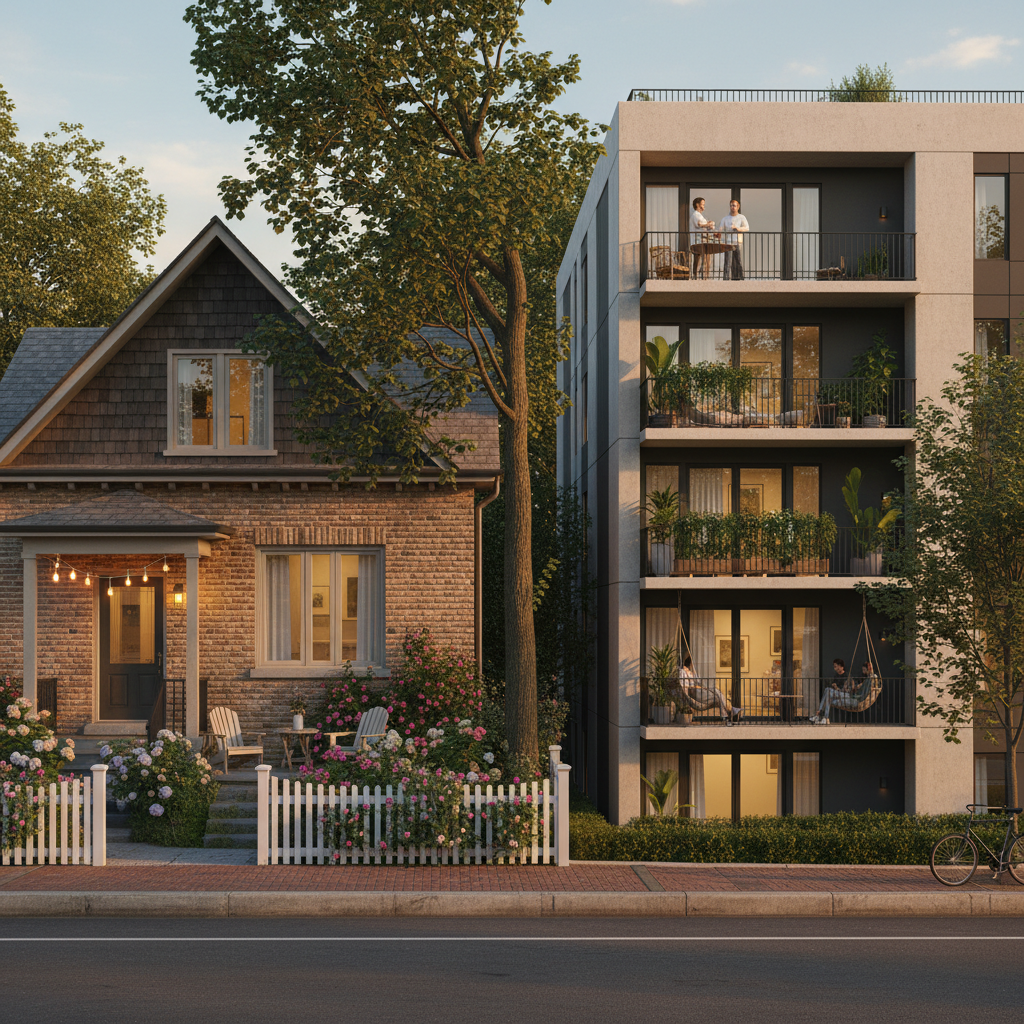
Houses are usually located in areas that allow for greater spaciousness and privacy, while apartments are frequently located in urban areas with access to services and public transportation.
This urban context can modify the way residents interact with their environment and with other neighbors, affecting their quality of life in terms of socialization, safety, and convenience.
Each option presents unique benefits and challenges, and understanding these aspects is key to making an informed decision that considers not only the physical space, but also how it influences the overall well-being of individuals and their families in the long term.
Comparison of the impact on quality of life between houses and apartments
The quality of life in houses and apartments varies greatly due to factors such as space, privacy, and maintenance.
Houses offer greater privacy, a private garden or patio, and the possibility of adapting spaces to specific needs, which favors family and personal activities in a more controlled environment.
Apartments, on the other hand, although they have less private space, usually offer convenience in maintenance, since common areas and services are usually included and managed by administration.
In terms of location, the apartments are usually located in central or urban areas, which facilitates access to shops, transport and services, reducing the need to use a private car.
This impacts quality of life by improving mobility and reducing travel times. In contrast, homes may be located in suburban or peripheral areas, which sometimes implies greater tranquility, but also a greater dependence on private transportation and more time spent commuting.
Influences of the social and community environment on quality of life
The social environment plays a vital role in quality of life and varies considerably between houses and apartments. In an apartment building, common areas such as gyms, swimming pools, or picnic areas facilitate interaction among neighbors and strengthen the sense of community and security.
These amenities encourage a more active social life and can even offer mutual support among residents.
In contrast, living in a house implies greater social independence, with less obligatory interaction with neighbors. This can be positive for those who prefer privacy, but it can also lead to a degree of isolation if the community is not active or close-knit.
On the other hand, in communities of houses, the neighborly relationship can be more personalized and close, although it depends a lot on the particular dynamics of the neighborhood.
Benefits and challenges in the social experience of living in houses versus apartments
Apartment living offers benefits such as access to common services that facilitate coexistence and recreation, enhancing the daily social experience, especially for young families or people looking for shared activities.
However, it can also involve restrictions regarding schedules, noise, and privacy, which may pose a challenge for some.
Houses, on the other hand, allow for greater autonomy and control over space, but they usually require a greater investment in maintenance and in organizing social coexistence, which depends a lot on personal effort to develop a community network.
The social experience in houses tends to be more exclusive and personalized, while in apartments it is more collective and structured, which conditions the ways of relating and sharing time with others.
Factors that determine satisfaction and well-being in family homes
Satisfaction and well-being in a home depend on aspects such as comfort, security, location, services and the quality of the environment.
In apartments, maintenance and amenities management typically helps reduce daily worries, improving quality of life through ease and time savings. This is especially relevant for those with active lifestyles or who value convenience.
In homes, well-being is more associated with the freedom to personalize the space and enjoy private outdoor areas, crucial factors for those who value contact with nature and independence.
However, the responsibility for maintenance falls on the owner, which can affect the overall perception of quality of life depending on the ability and willingness to attend to these tasks.
How quality of life impacts the perception and choice between houses and apartments
The perception of quality of life directly influences the decision to buy or rent a house versus an apartment. For many, the choice depends on their specific needs in terms of space, amenities, location, and lifestyle.
For example, those who prioritize urban activities and amenities tend to prefer apartments, while those seeking tranquility, outdoor space, and privacy may opt for houses.
Furthermore, quality of life determines the property's value in both economic and emotional terms. Homes that offer a positive social environment, easy maintenance, and a strategic location tend to generate greater satisfaction and longer stays.
Therefore, understanding the impact of the environment and space is key to making a decision that will positively transform the quality of life in the long term.
Conclusion
Quality of life is a decisive factor when choosing between a house and an apartment, as each option presents particular benefits and challenges that impact daily well-being.
In apartments, convenience and community living stand out as important advantages, while houses offer more space and privacy, key aspects for certain lifestyles.
Understanding the differences in maintenance, social environment, location, and services helps in making an informed decision that maximizes long-term satisfaction and quality of life.
The final choice will always depend on individual priorities and needs, as well as the balance between comfort, coexistence and autonomy sought in a home.
Frequently Asked Questions
What social advantages does living in an apartment offer compared to a house?
Living in an apartment facilitates social interaction through common areas such as gyms and social spaces that foster a sense of community and security among neighbors.
How does the location of houses and apartments affect quality of life?
Apartments are usually located in central areas with access to public transportation and services, reducing commute times. Houses are typically in quieter areas but may require more frequent use of a car.
What are the main challenges of maintenance in houses versus apartments?
Houses require the owner to take direct responsibility for maintenance, while in apartments this is divided among all residents and managed by an administration, which can simplify this task.
What individual factors influence the choice between a house or an apartment?
Factors such as the need for space, lifestyle, location value, access to services, and preferences for privacy or community greatly influence the decision between a house or an apartment.
How does quality of life influence real estate investment?
A good quality of life linked to location, services and social environment can increase the property's value and emotional satisfaction, making the investment more profitable and rewarding.




 Spanish
  English
  French
  Chinese