



Vallarta and Nayarit are positioning themselves as key tourist destinations in the Mexican Pacific, with significant growth in tourism activity that demands investments aimed at sustainability.
The constant search for a balance between economic development and environmental conservation has created a favorable context for promoting sustainable tourism through innovative and responsible infrastructure.
The economic impact of sustainable tourism in this region is remarkable, contributing to a significant percentage of the state's Gross Domestic Product and generating millions in economic benefits.
This evolution drives the need to identify investment opportunities that not only improve the tourist experience, but also protect natural resources and promote orderly urban development that respects the environment.
Investing in sustainable tourism infrastructure in Vallarta and Nayarit represents a key strategy to strengthen the sector, attract international visitors, and foster lasting social benefits.
This article explores the main opportunities and challenges associated with this area, offering a comprehensive view of its potential.
Current context of sustainable tourism in Vallarta and Nayarit and its economic impact
Vallarta and Nayarit have experienced remarkable growth in sustainable tourism, reflected in a significant increase in hotel occupancy and the arrival of international visitors, especially from the United States and Canada.
By 2025, the region had surpassed 10 million tourists, highlighting the importance of a responsible approach to conserving the natural and cultural environment that attracts visitors.
This tourism expansion contributes substantially to the local economy, representing more than 181% of the state's GDP and generating more than 6 billion pesos in economic impact during peak season.
Investment in sustainable infrastructure becomes a fundamental pillar to maintain this dynamic, optimizing resources and minimizing environmental impacts.
Additionally, strategic investments in roads and airports have improved connectivity, facilitating access to these destinations and enhancing the tourism experience. This infrastructure is vital for sustaining sustainable growth and fostering an increasingly diversified and resilient economy.
Main investment opportunities in infrastructure for sustainable tourism in Vallarta and Nayarit
There are several areas in Vallarta and Nayarit with high potential for investment in infrastructure geared towards sustainable tourism. Among these, the expansion and modernization of land and air transportation networks stand out, promoting efficient mobility and reducing the environmental footprint of travel.
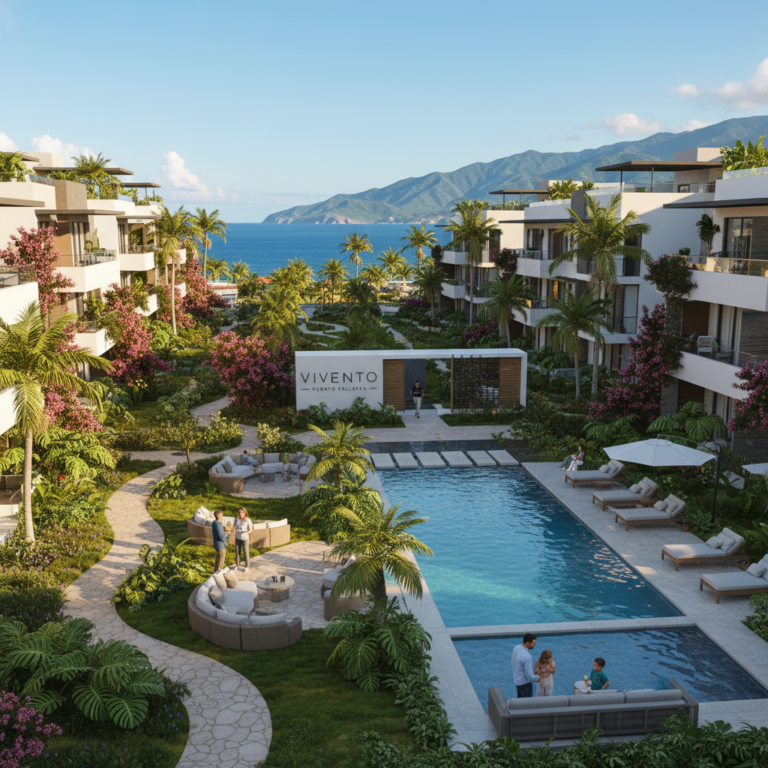
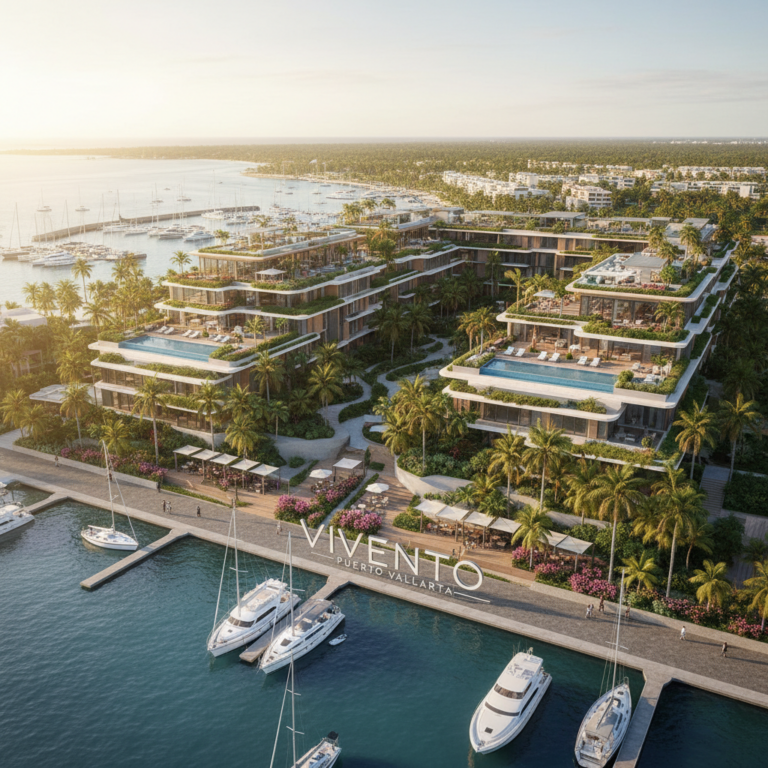
Another key opportunity is the development of eco-friendly accommodations and tourist communities with environmental certifications such as Blue Flag, which ensure responsible practices in the use of water, energy and waste management.
This trend, which includes projects with a wide range of sustainable amenities, attracts a conscious and demanding tourist profile.
Finally, the creation of green public spaces, hiking areas, bike paths and recreational areas integrated with nature contribute to offering unique experiences that respect the local ecosystem and promote low-impact tourism.
Investment in these areas not only responds to current demands but also anticipates the growth of segments such as wellness tourism and ecotourism.
Urban development and planning strategies to promote sustainable and responsible tourism
To promote sustainable tourism in Vallarta and Nayarit, it is essential to implement urban development strategies that integrate environmental and social criteria into land-use planning. The orderly expansion of infrastructure must prioritize the conservation of natural areas and the reduction of pollution.
Coordination between authorities, the private sector, and local communities is essential for designing projects that promote social inclusion and improve the quality of life for residents. Efficient land use, proper waste management, and the promotion of renewable energy are practices that must be incorporated at all levels.
Furthermore, promoting sustainability certifications and labels offers economic and competitive incentives for tourism developments that meet the demands of environmental responsibility. Active visitor participation through tourism education contributes to consolidating a sustainable, long-term model.
Social and economic benefits derived from investing in infrastructure for sustainable tourism
Investing in sustainable tourism infrastructure generates tangible benefits that positively impact both the economy and society of Vallarta and Nayarit. It creates direct and indirect jobs, improving job stability and opportunities for the local population.
From an economic point of view, these investments boost the economic spillover They also enhance the destination's competitiveness in international markets, boosting tourist arrivals year-round. Furthermore, they promote equitable development by integrating rural and urban sectors into sustainable production chains.
From a social perspective, sustainable tourism fosters respect for local culture and ecosystems, strengthening community pride and environmental awareness. Improved public services and spaces create healthier and safer environments, raising the quality of life for both visitors and residents.
Challenges and future prospects for infrastructure investment in the sustainable tourism sector
Despite the opportunities, investment in sustainable tourism infrastructure in Vallarta and Nayarit faces challenges such as the need to balance growth and environmental preservation. Pressure on natural resources and uncontrolled urbanization can jeopardize ecosystems and the quality of the destination.
Another key challenge is ensuring coherence and continuity in public policies related to sustainability, as well as fostering active citizen participation to consolidate responsible tourism. Technological investment and innovation will be crucial to optimizing resource use and minimizing negative impacts.
Looking ahead, the outlook is positive if the commitment to integrated development is maintained, including new tourism projects with environmental certifications and the modernization of existing infrastructure.
The consolidation of Vallarta and Nayarit as benchmarks in sustainable tourism will depend on the ability to adapt investments to international and local demands, guaranteeing a resilient and competitive model.
Conclusion
Investment in infrastructure for sustainable tourism in Vallarta and Nayarit represents an essential strategy to consolidate the economic and social development of the region, ensuring the protection of the natural and cultural environment.
Maintaining a responsible planning approach and adopting innovative technologies will allow us to meet challenges and maximize long-term benefits. In this way, Vallarta and Nayarit can continue to be leading destinations, combining growth with sustainability and quality of life for their communities.
Frequently Asked Questions
What are the main areas for investment in sustainable tourism infrastructure in Vallarta and Nayarit?
Priority areas include sustainable transport, eco-friendly accommodation developments, and green public spaces such as bike paths and trails, combining environmental protection with a quality tourist experience.
How does sustainable tourism infrastructure contribute to local economic development?
It fosters job creation, increases economic benefits, and improves the destination's international competitiveness, boosting the regional economy and benefiting local communities.
What role does urban planning play in sustainable tourism?
Urban planning ensures that tourism growth is orderly, respecting the environment and promoting social inclusion, by integrating practices that reduce impacts and improve the quality of life.
What are the main challenges for investment in sustainable tourism in the region?
The challenges include balancing development with environmental conservation, ensuring coherent public policies, and fostering innovation to minimize negative impacts on natural resources.
What social benefits does sustainable tourism bring to Vallarta and Nayarit?
It creates stable jobs, promotes environmental awareness, strengthens local culture and improves public services, contributing to a healthy and safe environment for residents and visitors.


 Spanish
  English
  French
  Chinese